Growing up, I lived anything but in the moment. Most of my time was spent in fear of what my father might do next—to me, my sister, or my mother. I can recall many nights lying in bed, trying to get some sleep before school the next morning, only to have my drunken father blasting the stereo so loudly that sleep was impossible. Calling out to him only made things worse, as he would shout back, “When you start paying the bills here, then you can tell me what to do. Until then, shut the f%*k up!”
Martial arts and meditation training helped me manage my family issues and understand that there are two types of fear: Situational Fear and Psychological Fear.
Situational Fear is an essential part of our natural stress response. Without it, we wouldn’t be here today—our ancestors would have perished long ago, leaving us unborn. This fight-or-flight response was designed to save our cave-dwelling ancestors from an untimely death in the jaws of a saber-toothed predator or other dangers. Our bodies increase heart rate and flood us with adrenaline and cortisol, delivering oxygen to the brain and energy to the muscles. This “fear response” provides us with an instinctive form of self-protection, allowing us to flee dangerous situations or muster the strength to defend ourselves. This is situational fear—fear that is triggered by an immediate threat in our current situation.
Psychological fear, on the other hand, is divorced from any concrete and immediate danger. It’s always fear of something that might happen. The problem is that while you can always cope with the present moment, you cannot cope with something that exists only in your imagination. This is why many people report that the thing they were afraid of, when they finally experienced it, wasn’t “as bad as they expected.”Psychological fear, on the other hand, is divorced from any concrete and immediate danger. It’s always fear of something that might happen. The problem is that while you can always cope with the present moment, you cannot cope with something that exists only in your imagination. This is why many people report that the thing they were afraid of, when they finally experienced it, wasn’t “as bad as they expected.”
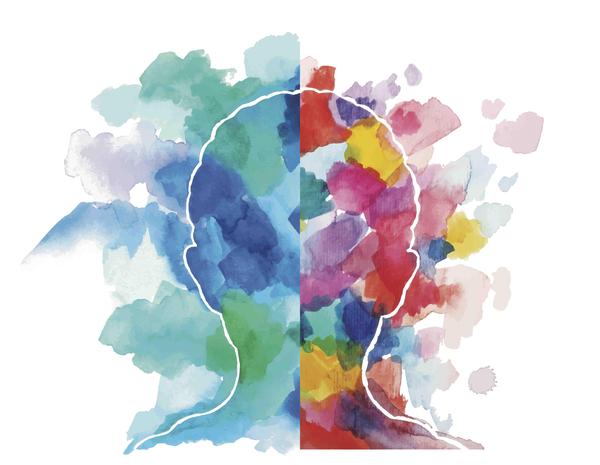
Living in the moment is a profound practice that fosters a deep connection with both ourselves and the world around us. While it may take some effort to learn—or perhaps more accurately, to unlearn—this practice, it is well worth the investment and pays dividends in the long run. From a spiritual perspective, being present allows us to experience life in its purest form, free from the distractions of past regrets or future anxieties. It is in the present moment that we can truly encounter the divine or the sacred within us, as it is the only reality that exists. By grounding ourselves in the now, we open our hearts to the beauty and wisdom that life has to offer, cultivating a sense of peace and fulfillment that transcends the material world.

How to Live in the Moment
Mindfulness is the key to living in the moment, as it encourages us to observe our thoughts, feelings, and surroundings without judgment. When we practice mindfulness, we learn to appreciate the simple pleasures in life, whether it’s the warmth of the sun on our skin, the taste of a delicious meal, or the sound of a loved one’s voice. This awareness helps us break free from the cycle of automatic reactions and habitual thinking, allowing us to respond to life with greater clarity and intention. In this state of mindful presence, we can better manage stress, improve our relationships, and enhance our overall well-being. I can attest to this, as I have firsthand experience of how ‘mindful presence’ has brought greater quality to my life.
From a health perspective, living in the moment can significantly impact our physical and mental health. Stress, often rooted in concerns about the past or future (psychological fear), is a major contributor to many health issues. By living in the present, we can reduce stress levels and promote relaxation, which in turn supports a healthier immune system, better sleep, and a more balanced emotional state. Moreover, being present encourages us to make healthier choices, as we become more attuned to our bodies’ needs and more likely to engage in activities that nourish both our bodies and minds. Ultimately, living in the moment fosters a holistic sense of well-being that enhances every aspect of our lives.
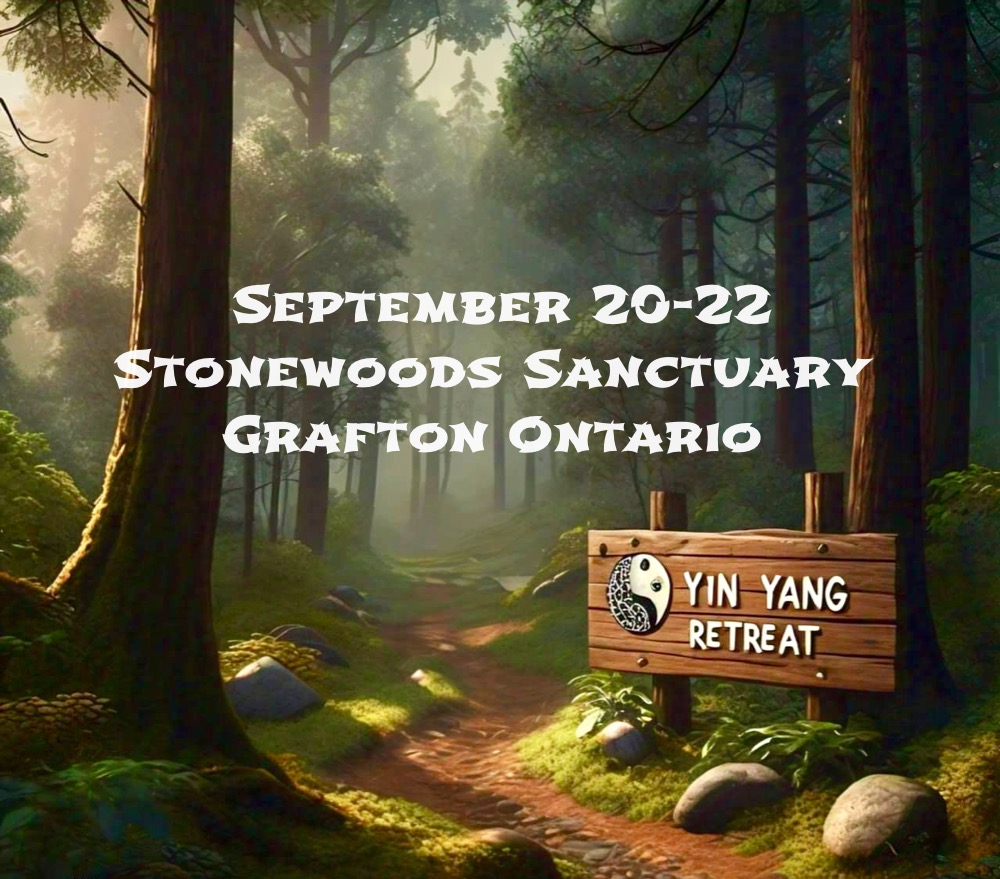
I hope you will join us in September for our Yin Yang Weekend Retreat
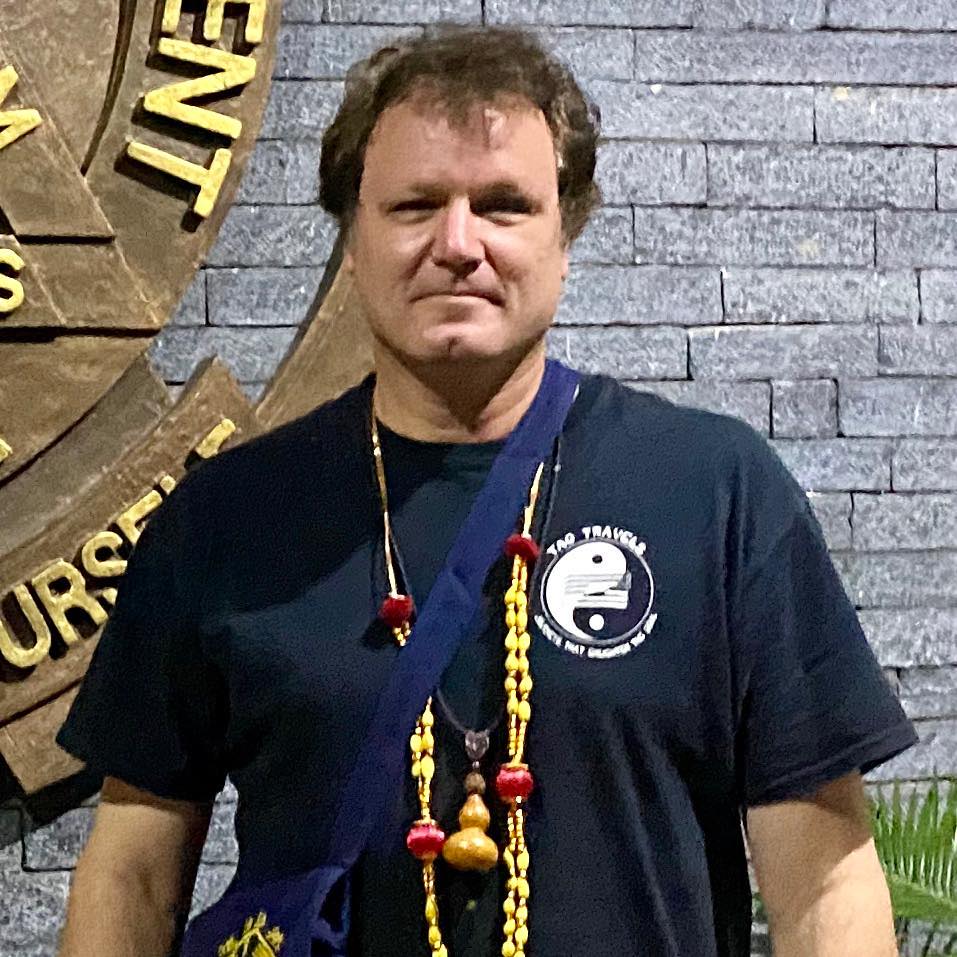
Terry J. Hodgkinson – Master Educator in Martial Arts and Meditation, Owner of Positive Changes Coaching Centre, and International Retreat Leader
Terry will be co-hosting the upcoming Yin Yang Retreat in September. For full retreat details click link below.