Meditation, whether sitting in stillness or moving mindfully, offers profound benefits for personal wholeness. In a world where many people express feeling pulled in multiple directions, these practices provide a space to reconnect with our inner selves. Sitting meditation, often associated with mindfulness and focused breathing, allows us to cultivate a deep sense of presence. It encourages us to observe our thoughts, emotions, and sensations without judgment, leading to greater self-awareness and emotional balance—something many are seeking today. Many who struggle with sitting meditation have found the BrainTap Meditation System, created by my friend Dr. Patrick Porter, to be tremendously helpful in achieving deep meditative states. You can find out more information about the Braintap System of meditation at the end of the this article.
Moving meditation, such as walking, yoga, Qigong, Tai Chi, Kundalini Shaking, Whirling, and many others, combines the benefits of mindfulness with physical activity, creating a harmonious blend of body and mind. Both forms of meditation remind us that we are more than our thoughts and external circumstances, fostering a sense of inner peace and wholeness.
In the chaos of modern life, where distractions are constant and stress levels high, meditation serves as a grounding force.

The American Psychological Association reports that short-term stress impacts all bodily systems, including:
- Musculoskeletal: Muscle tightening and tension
- Respiratory: Rapid or shallow breathing
- Cardiovascular: Increased heart rate and blood pressure
- Endocrine, gastrointestinal, nervous, and reproductive systems: Release of stress hormones, activation of the fight-or-flight response
These natural reactions are meant to spike and then subside. However, when they don’t, the prolonged overstimulation of the stress response can lead to disease.
Stress-related diseases
While short-term stress can temporarily boost the immune system, chronic stress is widely recognized for its detrimental effects. It places significant strain on the immune system and causes structural changes in the brain, which can impair its function.
A 2021 research review indicated that chronic stress is directly linked to several diseases and conditions, including:
- Anxiety
- Depression
- Pain
- Fatigue
Chronic stress is also associated with other serious health issues, such as:
- Heart disease and dysfunction, including arrhythmia and heart attacks
- Digestive disorders
- Memory disorders
- Diabetes
- Cancer, particularly the development of breast tumours
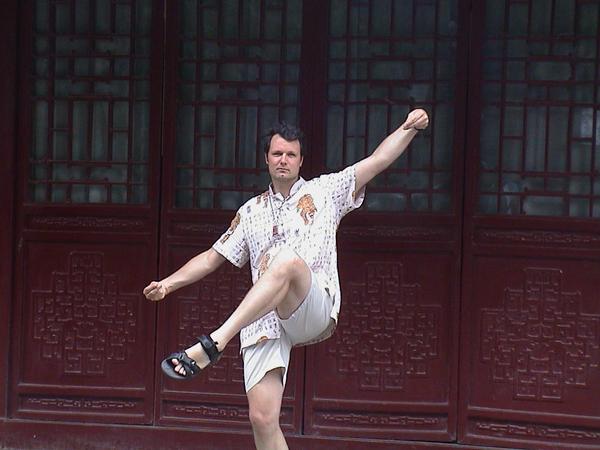
The practice of sitting still helps to quiet the mind, offering a break from the relentless pace of our daily lives. It creates a sanctuary where one can retreat, even if just for a few moments, to find clarity and calm. Moving meditation, on the other hand, integrates mindfulness into the rhythm of our movements, allowing us to stay present and centered even while engaged in physical activity. This ability to remain grounded amidst motion can be especially beneficial in a world that demands constant multitasking and rapid response.
Improving Emotional Inteligence
One of the key benefits I’ve personally experienced from practising both sitting and moving meditation is their ability to centre us, helping to strengthen our inner objectivity. By regularly engaging in these forms of meditation, we learn to observe our thoughts and emotions without becoming entangled in them. This detachment allows us to respond to situations with greater clarity and composure, rather than reacting impulsively. As a result, we develop a more objective perspective, which can be invaluable in making decisions, handling conflicts, and navigating the complexities of modern life. This centeredness not only enhances our emotional intelligence but also strengthens our resilience against stress.
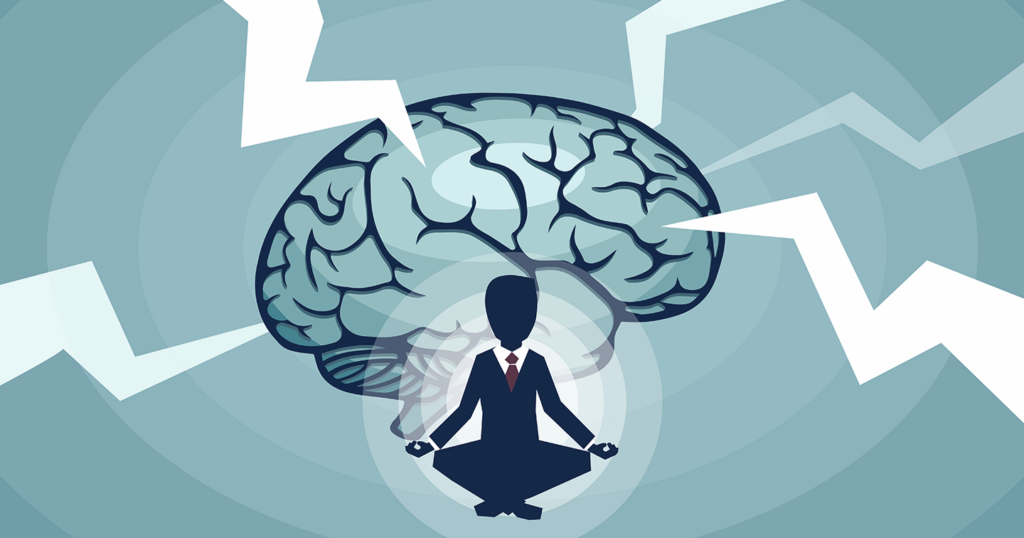
Ultimately, meditation supports the wholeness of a person by fostering a deep connection between the mind, body, and spirit. It reminds us to pause, breathe, and return to our center, even in the midst of chaos. By integrating both sitting and moving meditation into our lives, we can cultivate a more balanced, mindful, and objective approach to life. This holistic practice not only enhances our personal well-being but also empowers us to engage with the world from a place of inner strength and peace.
You can experience both sitting and moving meditations when you join us at the Yin Yang Retreat this September.


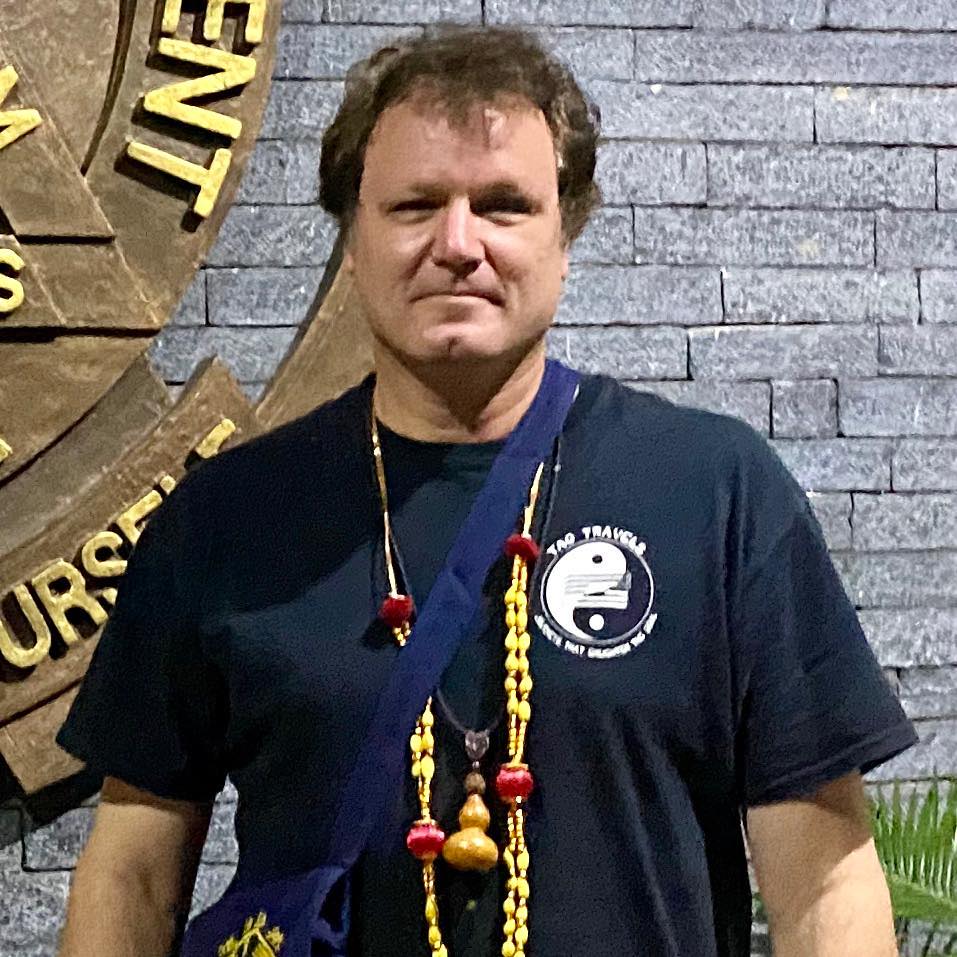
Terry J. Hodgkinson – Master Educator in Martial Arts and Meditation, Owner of Positive Changes Coaching Centre, and International Retreat Leader
Terry will be co-hosting the upcoming Yin Yang Retreat in September. For full retreat details click link below.